Needle, Syringe Programs needed in Aussie prisons

Needle Syringe Programs in prisons have proven successful across the globe, including in Iran.
Gains are directly transferred to
individuals, family members, community members, custodial officers, law enforcement officers and health professionals.

Australia once led the world in Harm Reduction initiatives, a number of which pertain to safe injecting of illicit drugs.

Because of the illegality, potential for tragedy and high risk associated with IV drug use it is very easy to be led astray from the evidence base supporting harm reduction initiatives. Primary amongst these is the funding of over 1,000 Needle, Syringe Programs (NSPs) across Australia. Although introduced against considerable opposition, community acceptance is now very high. More to the point, similar misinformation and conservative opposition was raised against another harm reduction initiative when introduced. Condom use amongst men having sex with men (MSM).

Harm Reduction measures were introduced by then federal health minister, Neal Blewett in 1985, ushering in unprecedented acceptance, understanding and management of high risk behaviour leading to the spread of HIV in Australia.

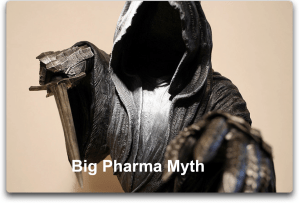
Led by the Minister for Health under the Hawke government, Neal Blewett, Australia undertook several unprecedented and pragmatic steps: it introduced a needle exchange program for intravenous drug users, encouraged open discussion of safe sex, and created the famous Grim Reaper advertising campaign.

There was fierce opposition from the religious right, but 25 years after the initial AIDS outbreak, Australia’s decision to accept human nature in policy making has saved thousands of lives – especially when compared to the USA where ‘morality’ has outweighed practicality in dealing with the illness.

Harm Reduction (HR) is one of the three major prongs of Australia’s illicit drug policy. The policy is called Harm Minimisation. Not “tough on drugs”, not “zero tolerance”. Harm Minimisation includes Supply Reduction, Demand Reduction and Harm Reduction. Over the years the gay lobby and LGBTQ community has forged itself a formidable legal and social identity. I pity the conservative zealot who would insult their ontology. Not so for IV drug users. This is due to many reasons, the more obvious being the transient nature of drug use (experimentation), the social, professional and personal cost of outing oneself as a chronic addict, the complete lack of intention to politically mobilise and the volume of comorbid mental health problems.

To be rather crude whilst it is demonstrably bigoted to discriminate against Australia’s disabled population they are not a force of reckoning. Our communities remain poorly suited to accommodate disabilities. Stigma persists leading to discrimination and inequality.

Similarly whilst we clinically accept the disease model of addiction, many community members still remain blinded to this very real health problem in favour of pop culture “bad guy” stereotypes. This is sheer manna for those with political interests to be seen to be “tough on drugs” or who seek to exploit individuals with a range of disabilities, including drug dependence.

Most Aussie addicts are alcoholics and cigarette smokers. The bulk of public health money dealing with drug induced harm is spent here. Illicit drug addiction consumes under 5% of the total expense. Writing in, Redefining Addiction in MJA Insight Paul Haber noted:

The American Society of Addiction Medicine (ASAM) grappled with this problem for 5 years before releasing its new definition of addiction, which has stimulated interest from around the world with commentaries in The Lancet, Time and elsewhere. ASAM proposes that addiction is a primary, chronic disease of brain reward, motivation, memory and related circuitry. It is a chronic relapsing and remitting disorder that manifests in continuing use of substances or alcohol despite accumulating harm to the individual and to others. [….]

This addiction disease concept facilitates a medical approach to management, including the need for quality evidence to support clinical interventions and it encourages engagement of medical professionals in this field. Acceptance of the disease model can also reduce the stigma of the disorders. Specific neurobiological abnormalities have been identified such as certain dopamine receptors in the reward system and these are targets for therapeutic intervention.

The funding pittance that is dealt to illicit drug harm reduction in part reflects the dwarfing of this demographic alongside drinkers, smokers and gamblers. The rest is explained in that the lions share is consumed by futile supply reduction efforts in the endless cycle of importation, distribution, dealing and administration. Demand reduction – fighting the demand for drugs through education, rehabilitation and disincentives also receives more money than harm reduction. It remains far, far too easy to raise a voice of ignorance and accuse HR initiatives of “allowing” or “encouraging” drug use.

The ABC news items below discuss the need for needle exchange programs in Australian prisons and the potential for a trial beginning in Canberra’s Alaxander Maconochie prison. It’s probable an HIV epidemic beginning in injecting drug users, and placing the wider Australian community at risk, would begin in Australian prisons. Questions are also raised as to the “shameful” state of Australia’s Harm Reduction initiatives that have fallen behind what is considered effective evidence based practice for prison population health. This is further evidenced by successful programs in other countries around the world. Needle Syringe Programs are strongly supported by a large global evidence base. Significantly, one public health success story is Australia.

Indeed return on investment research in 2009 [PDF] show that “investments in needle and syringe programs were yielding a twenty seven fold return in health, productivity and other gains.” Gino Vumbaca, Executive Director of the Australian National Council on Drugs wrote at the time:

What is striking is the level of public support for the program. The largest regular survey on drug use issues we have, the National Household Survey on Drugs, now records public opposition to the program at less than 20%. The Hawke, Keating, Howard and now Rudd Governments, as well as a myriad of state and territory governments of varying hues over the past 20 years have all lent their support to the program. For some this was in the face of strident opposition. A truly admirable achievement based on evidence, common sense and humanitarian grounds

Discussing the 2009 report findings Anex wrote:

The World Health Organization commissioned a review of evidence of the effectiveness of Needle and Syringe Programs to reduce HIV which concluded:

There is compelling evidence that increasing the availability and utilisation of sterile injecting equipment for both out-of-treatment and in-treatment injecting drug users contributes substantially to reductions in the rate of HIV transmission. Research from around the world clearly indicates that NSPs make a significant contribution to preventing the spread of HIV/AIDS and hepatitis C.

Between 2000 and 2009, the Australian Government invested $243 million in Needle and Syringe Programs. This resulted in the prevention of an estimated 32,050 new HIV infections and 96,667 cases of hepatitis C. $1.28 billion dollars were saved in direct healthcare costs. [….] The report states: “If NSPs were to decrease in size and number, then relatively large increases in both HIV and hepatitis C could be expected with associated losses of health and life and reduced returns on investment. Significant public health benefits can be attained with further expansion of sterile injecting equipment distribution.”

Countries, like Australia, that have implemented NSPs have averted HIV epidemics among injecting drug users and, therefore, the community at large.  Those countries that have not implemented these measures have often experienced uncontrolled HIV epidemics. There is strong evidence to suggest that when HIV becomes endemic among the injecting drug user community it can then spread to their sexual partners and children, resulting in high mortality rates and large social and economic costs to the entire community.

Conservative ideologues and those with vested interests in punitive measures, have attempted to discredit NSP efficacy. Nations without proper NSPs, such as Sweden are deemed in breach of the UN International Right to Health. See page 3, item D. Religious fundamentalists & other totalitarian belief systems frequently reference Sweden’s “war on people” mentality, obfuscating the human rights abuse. As revealed by WIKILEAKS, the USA work actively to sabotage Harm Reduction initiatives as part of their War On Drugs policy, citing Stockholm as a reliable ally. An excellent discussion of this matter is to be found at Neurobonkers. The Global Commission on Drug Policy has demonstrated the failure of the Drug War. [CNN News]

With respect to needle exchange, rather than advance challenges to NSP efficacy with new research the tactic of a small minority is to attack existing methodology in an out of context, subjective fashion creating the illusion of an argument. An analogue today might be “pertussis diagnoses have increased, therefore the vaccine is ineffective” – a claim advanced by comparison of unrelated data sets.

In May 2010 Norah Palmateer et al. produced a meta-analysis using what they called “Critical appraisal criteria” to challenge the methodology of NSP research. However, even whilst selecting particular modes of distribution and leaving out others, a conclusion that “New studies are required to identify the intervention coverage necessary to achieve sustained changes in blood-borne virus transmission”, was delivered. This is scarcely revolutionary, yet is falsely cited as discrediting NSP efficacy by fundamentalist conservative groups. In truth Palmateer et al actually argue for a shift in analytical focus to biological rather than behavioural data. More so, they write:

The findings of this review should not be used as a justification to close NSPs or hinder their introduction, given that the evidence remains strong regarding self-reported IRB and given that there is no evidence of negative consequences from the reviews examined here. [….] We recommend a step change in evaluations of harm reduction interventions so that future evaluations: (i) focus on biological outcomes rather than behavioural outcomes and are powered to detect changes in HCV incidence; (ii) consider complete packages of harm reduction interventions rather than single interventions; (iii) are randomized where possible (preferably at the community level); and (iv) compare additional interventions or increased coverage/intensity of interventions with current availability.

“The findings of this review should not be used as a justification to close NSPs or hinder their introduction”. Yet this is exactly what the enemies of reason have done, misquoting Palmateer at every turn. The “AVN” of Blood Borne Virus control is a group of far right evangelical lobbyists known as Drug Free Australia. Their “Meryl Dorey”, as it were is their “secretary”, young earth creationist and climate change denialist, Gary Christian. The similarities between Dorey and Christian are striking. No medical or health qualifications, citing of global conspiracies, “social experiments” – not evidence based public health, saving Australians, provision of “truth”, attacking certain research identities, cherry picking of data and outright lies.

When a 27 fold return on investment for NSPs was claculated after years of research, Mr. Christian promptly dismissed this claiming NSPs actually serve to promote drug use and spread viruses. WHO data would prove this if properly adjusted he cried, mimicking Dorey’s claims to “properly read research”. Thus he was able to immediately dismiss what is absolute proof opposition to NSPs is baseless. Indeed, Christian went further.

Harm Reduction is the “normalisation of illicit drug use” not just correlating to, but causing a rise in drug use. Hands up if knowing about NSPs motivates you to experiment with IV drugs. This new take on “condoms cause AIDS” is demonstrably flawed. Just as abstinence, not condoms will prevent STD’s, Christian claims “free HIV testing” not NSPs or harm reduction will control HIV, citing discredited non peer reviewed sources.

Thus arguments raised against the value of exchange program efficacy in cutting blood borne virus spread are emotive, supposedly backed by misrepresented, spurious and/or biased “research” and driven by discredited, conservative fringe lobby groups.

Unsurprisingly the opposition to NSPs in Aussie prisons is based on misinformation and a lack of evidence.

ABC TV News October 15th

ABC AM Program October 15th

NSP Information, Q&A. Australian Government

Dr Death – Hellfried Sartori’s Cancer cure scam

Australia’s 60 Minutes program recently screened an episode on Dr. Hellfried Sartori’s lethal “alternative” cancer “treatment and cure”.

In the time honoured tradition of cancer cure scams, Sartori claims to be able to cure 98% of cancers – including “highly advanced metastatic cancer” – and has done so for “ten thousand” patients who are spreading the word “in the underground”, he says.

“The Underground?”, you may ask. His “miracle cure” you see, would “put pharmaceutical companies out of business” and was “unauthorised”, relayed family members who were scammed by “cutting edge” mimicry. It was a poisonous cocktail.

Featured in this program are members of families who lost loved ones in appalling circumstances in Perth. This led to a Coronial Inquest in November 2010. The inquest heard of 25 Aussies, 24 (including a six year old Sydney girl) of whom are dead. The other person hasn’t been found.

Sartori (sometimes bobbing up as Abdul-Haqq Sartori) has been jailed twice in the US. Although convicted over various frauds, including an AIDS cure scam whilst practising medicine without a licence in Thailand, he is unrepentant. In Perth, according to Fairfax:

Celia Kemp suggested to Mr Sartori that he could only see success and not failure, that his clinical skills were deficient, that he had lied and exaggerated about his treatment as part of luring sick people into paying him for dubious treatments, and that his success rate for curing cancer was zero.

Mr Sartori replied that 50 per cent of the cure for cancer was positive thinking by the patient. He conceded he had exaggerated about the efficacy of his treatments, insisted he could cure cancer and admitted lying to Australian authorities. ”If any treatment has proved benefits, it is this treatment,” he told the court. ”And I have not violated my Hippocratic oath.”

He has a long history of “vitamin” and “ozone” cancer cures, charging up to $40,000 in Australia. He is deregistered in a number of U.S. states. The 60 Minutes program includes a short interview with Dr. Alexandra Boyd. His Australian caper occurred whilst he was in custody in Thailand. Rather than a clinic, a house owned by Dr. Boyd was used. Unregistered nurses administered Sartoris useless, and lethal cocktail. During the inquest in 2010 Dr. Boyd went missing, until found to have voluntarily admitted herself to a psychiatric clinic. According to The Australian:

She was forced to testify before Western Australia’s Coroner’s Court via telephone link from a mental health clinic in Fremantle after being deemed fit to give evidence by her psychiatrist. [….] The five patients received a mixture of minerals, industrial solvents and paint stripper while being treated in Dr Boyd’s home in 2005. They later died, some after vomiting green fluid and suffering chronic diarrhoea.

So how is such rubbish sold? How are people convinced to use such dangerous compounds? Sartori’s web site still pushes his “alternative cancer treatment” scam. Other alternative cancer care sites promote Sartori, Liquid Cesium Chloride and Dimethyl Sulfoxide. DSMO (“the magic bullet for cancer”) is used in other dubious treatments including arthritis creams. Whilst it has genuine medicinal uses due to it’s ability to penetrate skin and cell membranes without damage, it is favoured by alternative “health” scams.

Abusing the work of others on conditions which favour cancer growth, Sartori’s suspect “research” of exactly the same concept – that cancer cells survive longer in acidic or anaerobic environments – is quoted. Thus, Cesium Chloride, “one of the most alkaline elements” will kill off the cancer cell by raising pH and boosting O2. Intravenous DSMO aids in getting the CsCl into the cell.

His ozone theory is bizarre. Citing a number of populations that live at high altitude and experience longevity, Sartori reasons this is due to greater concentrations of ozone. The higher one goes the more UV action on oxygen, hence greater ozone concentration. Since “time immemorial” lowland women could not fall pregnant in the highlands, unless acclimatised. Assuming this is due to ozone, Sartori further postulates if a fetus will not grow then surely cancer will not grow. “… as ozone temporarily stops the growth of the embryo, it too stops the growth of a quantity of quick growing cancer.”

B17 or laetrile is another component. The Hunzas of Northern Pakistan are one of the high altitude communities with longevity quoted by Sartori. Laetrile is found in the seeds of apricots – a favoured Hunza food. Apricots have been palmed off as a path to longevity for decades due to this association, but vitamin scams take it one further and push the laetrile angle. Along with zinc, selenium and ascorbic acid Sartori adds B17 to his IV cancer cure.

And Viola! There you have your $40,000 lethal intravenous mix.

“Vaccine Shedding”: Time Up For Another Vaccine Myth

One myth often pulled out by antivaccination lobbyists to malign vaccine safety is the senseless term “Vaccine Shedding”.

Whilst in context we all know what is meant, it’s worth pausing to consider that the term is a byproduct, if you will, of the antivaccination movement’s skill at sowing misinformation. The unrivaled ability to scan a headline and regurgitate some ghastly tale about vaccines. To squeeze another fallacious vaccine “danger” onto the shelf, content in the knowledge it will soon have a life of it’s own.

The colloquial use of this nonsensical term seeks to convey that an individual who has been vaccinated can readily shed part of the vaccine and cause infection in the unvaccinated. Which by definition demands them to have shed not a vaccine but an infectious agent. Indeed a virus or bacterium. Which by extension demands the vaccine to contain a live virus or bacteria. This then opens the door to viral shedding the vast complexities of vaccine induced immunity and viable modes of excretion – aka shedding. That won’t stop your garden variety anti-vaxxer claiming any vaccine can lead to infection of the unvaccinated via this ghastly “vaccine shedding”.

But that’s only part of the story. “Vaccine shedding” is a double barrelled myth in that transmission is assumed to occur ipso facto. Shedding is not transmission. Period. Yet denial of vaccine efficacy requires internalisation of some whacky stuff. Including the erroneous belief that viral shedding follows MMR vaccination. Yet worse is the myth that inactivated vaccines pose the risk of infection due to “vaccine shedding”.  Pertussis often brings out the malicious side of anti-vaxxers. DTaP is inactivated. Indeed the pertussis component is acellular. Update: The acellular pertussis vaccine is an example of a subunit vaccine.

So, you may wonder at the nature of Cynthia Janak who writes in Will the vaccinated infect the unvaccinated? That is the question with Whooping cough:

Before I continue I want to tell you about a fact that is known by the CDC, etc. That is called vaccine shedding. This is the transmission of the virus from a vaccinated person to an unvaccinated person. [….] I want you to understand that this is true for vaccines including the Whooping Cough. What you could have happen is that all these parents and child care workers are going to get the vaccine and then take care of children. [….] The vaccinated have the potential to infect the unvaccinated child. This could cause the next epidemic of disease like what happened with the small pox epidemic.

So, in Cynthia’s mind “vaccine shedding” is, “…transmission of the virus from a vaccinated person to an unvaccinated person”. Wrong. And it’s true for whooping cough. Impossible. Yet Cynthia Janak asserts there’s potential for an epidemic like smallpox? Pure fiction. Contracting pertussis because an unvaccinated and infected child or adult who ignores boosters has breathed on someone is, however, a simple fact. Aiming to inflate the danger of her misguided concern about “vaccine shedding” as “known by the CDC”, Cynthia uses references to FluMist.

FluMist a live attenuated influenza vaccine (LAIV) sprayed into the nostrils and well understood regarding shedding. Concerns about administering a live virus this way should be respected. So should the facts about any risks. It sheds in low concentration for short periods via nasal discharge. It is not associated with person to person transmission. Given that wild type influenza sheds at far higher concentration, is found on fixtures, objects, skin and is strongly associated with transmission, severe illness and complications it seems Cynthia has been selective about what’s “known by the CDC”.

“Vaccine shedding” is better suited to mid 19th century notions like the infectious miasma, wafting about in terrifying unseen clouds held aloft by our lack of knowledge. Nor does the rare instance of shedding suddenly turn any agent into a virus with the infectious capability of Ebola. But anti-vax voices are often raised in triumph that the crime of “vaccine shedding” places the community at greater risk than the rising numbers of unvaccinated.

The scale of error associated with this belief is akin to the myth of potential vaccine injuries outweighing the benefits of vaccination. Serious injuries that do occur are primarily in populations genetically predisposed to latent complications and manifestation is extremely rare. Injuries, disability and death from vaccine preventable disease would occur at magnitudes many hundreds or thousands of times greater and can manifest in anyone. Vaccine injuries are artificially inflated by confusing correlation (sometimes years apart) with causation, and by including red marks, crying, sleep disturbance or omitting that event X was a serious allergic reaction to latex syringe components. Similarly, arguing ones unvaccinated child is at risk from, or has been infected by, a recently vaccinated child is quite a claim.

Viral shedding itself is by no means ignored by the medical community. It’s of primary concern in the management of immune compromised patients, pregnant women and newborns. Varicella is an excellent example in that a.) viral shedding is well understood and b.) the risk from shedding can be discerned from precautions taken. Following varicella vaccination, viral shedding can be detected in the stools for six weeks.

In the case of immunodeficiency disorders or immune suppression from drugs, transfusions, stem cell transplant, chemotherapy etc, the recommendations are to avoid contact with fecal matter of vaccinated subjects and to observe good hygiene. To put this in context, unvaccinated children who spend one hour in a room with an infected child (shedding varicella) stand a 95% chance of contracting varicella (chicken pox). This is why vaccination against varicella is vital and choosing to not vaccinate your child places him or her and by extension countless others at risk of serious complication.

For nursing mothers post natal varicella vaccination need not be delayed if they are varicella-susceptible as varicella hasn’t been found in breast milk post maternal vaccination. There is no problematic risk of viral shedding to newborns provided hand washing and other hygiene measures are followed.

Whilst rare, a post-varicella immunisation vesicular rash can form. Again whilst quite rare, viral shedding can occur at this site. Plainly stated it’s incredibly rare for an unvaccinated child to be infected with varicella from a vaccinated subject and a series of events, including transmission, must occur within a small window of opportunity. Greatest precautions must be taken in the case of immune suppression. Writing in Vaccines in immunocompromised patients, Janet R. Serwint, MD Consulting Editor notes:

Because the varicella virus rarely can be shed through a postimmunization vesicular rash that may develop, recommendations include avoiding contact until the rash resolves.

In March this year there was an interesting case of viral shedding. The antivaccination lobby bellowed that Varicella zoster virus DNA had been found in the saliva of people over 60 vaccinated with the live Zostavax vaccine manufactured by Merck. In this age group Herpes zoster (shingles) is the target. Shingles is the result of infection with VZV earlier in life which may reactivate as immunity declines or from novel infection. Despite blog headings like Vaccinated people SHED LIVE HERPES for up to a month AFTER vaccination, be aware it was 2 of 36 “vaccinated people” who made the grade.

There was no indication of infection risk at the time. Today transmission is considered rare. Packet inserts carried the standard warnings found in varicella immunisations to avoid contact with infants, nursing mothers and immunocompromised individuals. “Doctors never tell you this”, lied the anti-vax lobby. The end result is that, fortuitously, it appears a saliva test could be developed allowing for detection and antiviral therapy before the painful rash appears. All up with rare potential for transmission from about 5% of recipients of a vaccine that’s not widely used it was a non event.

With MMR the lack of viral shedding renders any risk of horizontal transmission in this manner null and void. If challenged with the claim of “vaccine shedding” specific to Measles, Mumps, Rubella vaccination you’re being misled.

Peak shedding of Rotavirus occurs on “post-vaccination days 6 through 8”. Published in The Lancet Rotavirus vaccines: viral shedding and risk of transmission, notes:

Immunocompromised contacts should be advised to avoid contact with stool from the immunised child if possible, particularly after the first vaccine dose for at least 14 days. Since the risk of vaccine transmission and subsequent vaccine-derived disease with the current vaccines is much less than the risk of wild type rotavirus disease in immunocompromised contacts, vaccination should be encouraged.

The “vaccine shedding” bogeyman got a free kick with the FluMist LAIV vaccine. You may remember the hype. The spraying of “living influenza virus” straight into children’s brains was going to lead to mutation and death on an unprecedented scale. It would genetically revert to the wild type. Transmission would thus be uncontrolled. It would quickly prove useless against changing seasonal strains. ADR’s would rise…. and so on. Ultimately the cost proved to be a deterrent. Mayo Clinic have produced a welcome article on LAIV Myths.

In a comprehensive 2008 study with a sample aged 2 – 49 years, shedding “of short duration and at low titers” was detected in nasal swabs on days 1 – 11. LAIV recipients “should only avoid contact with severely immunocompromised persons for 7 days after vaccination”.

On Shedding and Transmission of Vaccine Viruses, in a larger piece on influenza vaccination of HCP, the CDC write:

One concern regarding use of LAIV among HCP has been the potential for transmitting vaccine virus from persons receiving vaccine to nonimmune patients at high risk. Available data indicate that children and adults vaccinated with LAIV can shed vaccine viruses for >2 days after vaccination, although in lower titers than typically occur with shedding of wild-type influenza viruses. Shedding should not be equated with person-to-person transmission of vaccine viruses, although transmission of shed vaccine viruses from vaccinated persons to nonvaccinated persons has been documented in rare instances among children in a day care center.

One study conducted in a child care center assessed transmissibility of vaccine viruses from 98 vaccinated persons to 99 unvaccinated controls aged 8–36 months; 80% of vaccine recipients shed one or more virus strains (mean duration: 7.6 days). [….] The estimated probability of acquiring vaccine virus after close contact with a single LAIV recipient in this child care population was 0.6%–2.4%.

It was also documented that should HIV positive children be exposed to LAIV shedding, “… serious adverse outcomes would not be expected to occur frequently”. So the combination of live virus shedding and immune deficiency in the case of LAIV presents low risk. Certainly the overall risk associated with the rare transmission following shedding after LAIV is insignificant given the risk of regular influenza virus transmission.

We’re running out of dramatic scenarios for the antivaccination lobby to cling to. With polio the wild virus replicates in the intestine and is shed in stools for up to a month. Transmission in developed nations is thus faecal-oral like other stool shed viral components. It is of course so rare as to be unheard of. However, given that the IOM report into evidence and causality of vaccine adverse effects found a causal link between the oral polio vaccine (OPV) and vaccine associated paralytic polio (or Vaccine Derived Polio Virus), we should seriously consider shedding in areas where this is documented.

In fact the question has been asked if prolonged VDPV shedding could be a source of reintroduction following polio eradication. The more compromised the immune system the more likely the individual is to have problems with vaccine induced immunity. A study looking for VDPV shedding in immune deficient subjects in Abidjan, Cote d’Ivoire found no cases in a sample of 419, and therefore a “minimal risk of reintroduction [after eradication]”. In respect of general exposure to shedding in these environments transmission of the wild type polio virus eliminates any concern over post vaccination viral shedding. Crowding, sewerage, water quality etc all contribute to wild polio spread in ways that do not apply to the developed world.

Remembering that viral shedding is of paramount concern in the management of immune deficiency and immunocompromise, let’s revisit the Janet R. Serwint, MD of Vaccines in immunocompromised patients. Rather than warn against exposure to immunised children the recommendation is to ensure schedules are up to date and an annual inactivated influenza vaccine is on board. Pay attention to reference to MMR, varicella and rotavirus:

One strategy worth emphasizing is the immunization of household contacts, particularly other children and adolescents in the family. This procedure is essential to try to minimize exposure of the immunocompromised patient to household contacts who might contract vaccine-preventable illnesses. Pediatric health-care clinicians need to update and review the vaccine status of all siblings and pediatric-age household members. Annual influenza vaccination of all family members with inactivated influenza vaccine is recommended in addition to ensuring routine immunization of all other recommended vaccines.

MMR, varicella, and rotavirus vaccines, although live viral vaccines, are recommended for immunocompetent household contacts because transmission of the virus is rare. The lack of viral shedding with MMR eliminates concern regarding transmission. Because the varicella virus rarely can be shed through a postimmunization vesicular rash that may develop, recommendations include avoiding contact until the rash resolves. For the rotavirus vaccine, avoidance of contact with the stools by the immunocompromised patient and good hand hygiene measures by all family members for at least 1 week after vaccination should be implemented.

In conclusion it’s clear that “vaccine shedding” is a nonsense phrase. The lack of accounts of children transmitting viruses to younger siblings and friends after vaccination is a dead giveaway. Whilst viral shedding is a reality we can be confident that:

  • Viral shedding applies only to live virus vaccines and is significantly low, low risk
  • Post vaccination viral shedding of rotavirus and varicella is detected in the stools for 4-6 weeks respectively. It’s of such low risk as to be of cautionary interest regarding immunocompromised individuals
  • Genuine concern about viral shedding in these groups is managed with sound hygiene and avoiding contact with stools
  • In rare cases of post varicella immunisation vesicular rash shedding may occur. Transmission is still unlikely
  • The lack of viral shedding following MMR eliminates any concerns about transmission
  • Claims of DTaP shedding and transmission are bogus
  • Stories about whooping cough transmission from vaccine shedding are demonstrably false
  • Stories of polio infection being a risk due to shedding are designed to scare
  • Antivaccination lobbyists use false and incomplete information about shedding to create fear of vaccines/the vaccinated
  • Shedding of LAIV is at markedly low concentration, short duration and transmission is dwarfed by seasonal influenza transmission
  • Accurate information about the topic is drowned out by antivaccination sites and “mothering” forums making inaccurate claims

Update: April 13th 2015 – Added references;
Is the MMR vaccine spreading the measles virus?: The question of shedding

Case of vaccine-associated measles five weeks post-immunisation, British Columbia, Canada, October 2013: http://www.eurosurveillance.org/ViewArticle.aspx?ArticleId=20649
Live Attenuated Influenza Vaccine [LAIV] (The Nasal Spray Flu Vaccine): http://www.cdc.gov/flu/about/qa/nasalspray.htm
Live Attenuated Vaccines (LAV): http://vaccine-safety-training.org/live-attenuated-vaccines.html
Measles – Q&A about Disease & Vaccine: http://www.cdc.gov/vaccines/vpd-vac/measles/faqs-dis-vac-risks.htm
Measles: Questions and Answers: http://www.immunize.org/catg.d/p4209.pdf?q=measles
Measles Vaccination: http://www.cdc.gov/measles/vaccination.html
Rotarix WHO leaflet – tube: http://www.who.int/immunization_standards/vaccine_quality/Rotarix_liquid_tube_product_insert_text_2009.pdf?ua=1
Rotavirus: http://www.cdc.gov/vaccines/pubs/pinkbook/downloads/rota.pdf
Transmission of Measles: http://www.cdc.gov/measles/about/transmission.html

Meryl Dorey’s trouble with the truth: Part 3 – Lies and Fraud

You were shocked, astounded and aged beyond your years with Part One. Fearing collapse, you sent your family away and took leave to stay home and read Part Two.

And now, the frequent rumours. The disturbance in the Force. The smell of Supreme Court cases in the morning. It could only mean…

Meryl Dorey’s trouble with the truth: Part 3 – Lies and Fraud

© Full attribution, Mr. Ken Mcleod

Download Full PDF


Blackmores, Pharmacy Guild saving face

Last we visited the Blackmores, Guild Alliance there were serious doubts about evidence from Blackmores or understanding from the Guild.

Not much has changed on admitting fault, even with the removal of the Gold Cross endorsement. Which, by the way, was the fault of “ill informed and inflammatory” media reporting leading us goofy consumers to exhibit a “strong level of public concern”. I wonder where the Guild gets off trying this one on. There’s something missing from this sudden awakening in which “the Guild has listened to these concerns and accepts – mutually with Blackmores… to withdraw the endorsement arrangement”.

For example the AMA, according to president Steve Hambleton, considered the deal “outrageous” and that, “There’s no place for commercial interference in the clinical decision making of the pharmacist”. This was and is reflected in GP’s responses, including some writing notes with scripts to not include the “companion range”. Professor Paul Glasziou, director of Bond University’s centre for research in evidence-based practice had, on ABC, called Blackmores’ bluff on supporting evidence.

Chemist Warehouse had publically and loudly protested, promising to not participate in the deal. “Our pharmacists recommendations are not for sale” and “Professionals Practicing Professionally” stated their defiant flyer. Ouch!

Many individual pharmacists were, to put it mildly, infuriated and appalled at the Guild’s total stuff up which effected the integrity of all pharmacists.

Stuart Baker, a pharmacist from Western Victoria quit the Guild in protest. In view of the decision to drop the Gold Cross endorsement he still won’t be returning. Damage done there it seems. In light of the Guild’s inability to accept responsibility for such poor decision making the damage could be both more widespread and persistent.

Jane McCredie recently wrote in MJA Insight:

PHARMACISTS have long felt like the poor relations in the broader family of health professionals when it comes to status and respect, if not monetary reward.

In recent years, their representative bodies have lobbied for expanded prescribing rights, for recognition of their role as front-line “clinicians” and against allowing pharmacies in supermarkets for fear this would undermine the quality of health care provided.

It’s going to be a lot harder to make those arguments convincingly in the wake of the spectacularly ill advised deal between the Pharmacy Guild and Blackmores that created such a media furore last week.

October 5th saw the Pharmacist Coalition call on the Guild to dump the scheme. AusPharm News reported in part:

The Pharmacist Coalition for Health Reform (PCHR) has called on the Pharmacy Guild of Australia to axe their deal with Blackmores, following the Guild’s admission that the computer prompts to upsell dietary supplements were a pilot only and would be reviewed.

PCHR spokesperson and Chief Executive Officer of the Association of Professional Engineers, Scientists and Managers, Australia (APESMA), Chris Walton, said that pharmacists had rejected the deal and it was now time for the Pharmacy Guild to scrap the pilot. “A Pharmacist Coalition poll of over 460 people has shown that 94 per cent of community members, including pharmacists and pharmacists-in-training, disagree with the Blackmores’ deal and believe ‘it undermines the professionalism of pharmacists’.

“This has been further supported by The Age online poll which revealed that of over 2,000 voters, 94 per cent do not approve of the ‘Pharmacy Guild of Australia’s deal with Blackmores to recommend Blackmore’s supplements’. [….] PCHR spokesperson and Chief Executive Officer of The Society of Hospital Pharmacists of Australia (SHPA), Yvonne Allinson said The Pharmacy Guild has lost credibility and a failure to scrap the pilot would damage their reputation further.

Gold Cross is a fully owned subsidiary of the Guild. Now that the Gold Cross endorsement has been cancelled their logo, if you like, won’t appear on Blackmores companion range. Nor will the pilot project of software prompts at point of sale go ahead. The decision was “made in conjunction with Blackmores”.

The mutual decision has been taken in view of the strong level of public concern about the proposal, based on some media reporting of the endorsement which was ill-informed and inflammatory.

The last thing the Guild would ever want to do is deplete the credibility of community pharmacists, or damage the trust in which they are held by Australians. That trust and confidence is of paramount importance to the Guild and to our Members. The Gold Cross endorsement arrangement with Blackmores was entered in good faith, with absolutely no intention of undermining the professionalism and integrity of participating pharmacists. [….]

Additionally, an optional prompt containing clinical information for the patient to consider in relation to one product of the Companions range was to be available through the dispensary IT programs, on a pilot basis. The software pilot was not intended to commence until at least November, and will now not proceed.

Chris Walton CEO of APESMA Pharmacist division said in response:

This is a pathetic back down by an out of touch organization. The Guild has been dragged kicking and screaming to the decision and still will not take responsibility. They describe their decision to enter the deal as one made in good faith. Good faith must now be code for a bag of coin.

The profession should never forget that the Guild was willing to trade on the good reputation of pharmacists for commercial gain. While the same people are in charge why would we ever trust them again. Any pretence that they represent the pharmacy profession is over.

Still insisting that the “need for these natural health supplements for some consumers is underpinned by a body of scientific evidence”, Blackmores released a statement also with soothing noises about having listened. But they go one further and point out the “considerable confusion” in waking up to their scam. Hmmm. Perhaps they have a supplement for that? Either way, also from October 5th:

We have listened to the feedback on the Companions range and it is apparent that there is considerable confusion regarding the positioning of this range which we believe is detracting from the potential underlying benefit of these products to consumers.

As a result, and following discussions with Gold Cross, Blackmores will remove the Gold Cross endorsement from the four products, we will not feature these products on the proposed IT dispensary software and we will update the product names to reflect the key ingredients, under the Companions brand.

Blackmores have published research on their professional page for “health professionals” which is well summarised here. I suspect in response to the NPS review of evidence to sustain (cough) claims made in defence of the “companion range”. Christine Holgate opens her heart here about “misconstrued” information and accurate representation of “integrity”. Basically, it’s all good and they’re doing Aussies a favour. No, really.

All up, it’s rather shameful. The Guild haven’t in effect admitted being at fault. At most they seem to grudgingly admit to a type of PR blunder. Blackmores is sticking to it’s guns pleading misunderstanding on the part of the public and a raft of health professionals. Marcus Blackmore bemoaned that a full scale assault on complementary medicines had grown out of the same misunderstanding. ABC have a comprehensive write up with audio and video.

Jane McCredie finished her MJA Insight article in style:

The Pharmaceutical Society of Australia is due to release a new code of ethics for its members — along with a vision for the profession’s future — at its annual conference later this week. It would be nice to think that code might require pharmacists to disclose the level of evidence for any non-prescription medication they sell — hardly an unreasonable demand of people who want to be recognised as clinicians.

I’m imagining the conversations now if this code is implemented. Pharmacists selling homoeopathic remedies will be required to tell each and every customer: “There’s not a skerrick of evidence this works, but if you want to throw your money away…”

Therein lies the very source of the problem. Blackmores’ deal stood out because it officiated upselling and would have included entirely unwarranted prompts. Both the Guild and Blackmores knew it to be a grab for money. So did everybody else. Yet pharmacists do recommend and sell junk to consumers. Assistants do little if anything to dissuade from spontaneous buying.

Doctors will testify to patients at times admitting to taking large amounts of useless supplements. It’s documented that patients are reticent to admit to doctors they use alternative products. In the main doctors are missing out on vital information they need to properly treat their patients.

The only durable solution is for the TGA to move forward with sharp teeth and legislation to call CAM what it really, in the main is.

Unproven and unnecessary.